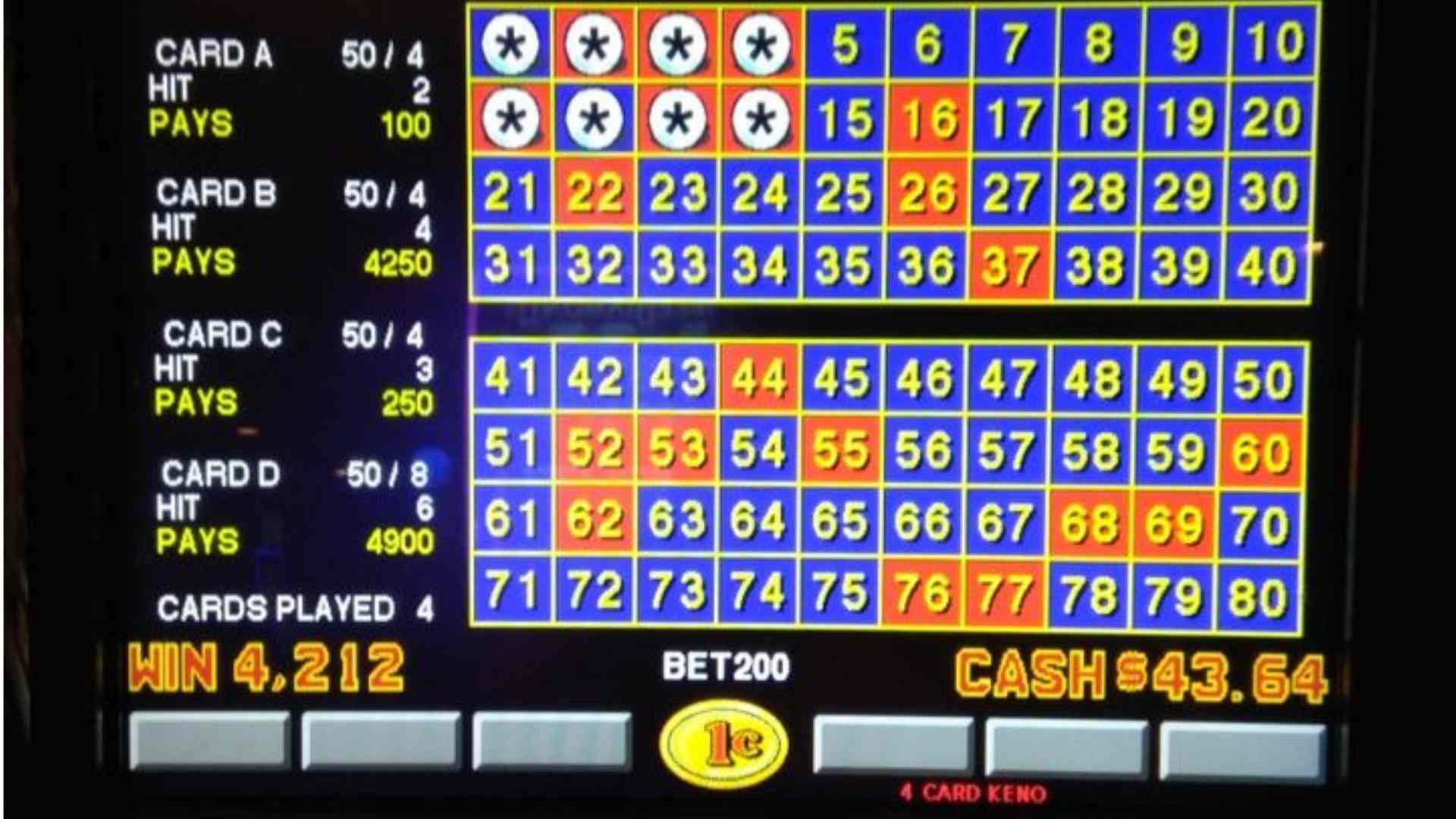
When evaluating numerical entertainment options, players often encounter a fundamental trade-off between how frequently a game pays out and the overall magnitude of its jackpot. Hit frequency measures the rate at which any winning combination occurs, while top prize size reflects the maximum potential payout available. Understanding the inverse relationship between these two metrics allows enthusiasts to select formats that align with their personal play style and risk tolerance.
The Core Relationship Between Hit Frequency and Payout Scale
In mathematical game design, probability directly dictates payout structures to ensure long-term stability for operators. Games with high hit frequencies typically distribute smaller, regular rewards to maintain a consistent flow of wins. Conversely, formats offering massive jackpot amounts must lower the probability of hitting the top prize to offset the significant payout value.
This dynamic creates distinct operational profiles across different numerical selection systems. High-frequency options provide frequent positive feedback, though individual prize values remain modest. High-jackpot alternatives offer massive potential returns, but players experience extended periods between successful draws.
Evaluating Low Volatility Game Models
Low volatility number games focus on maximizing hit frequency by awarding frequent prizes across lower payout tiers. These designs often feature broad prize tables where matching even a small subset of numbers yields a minor return. As a result, players experience regular engagement without rapid depletion of their entry budgets.
This structure appeals primarily to casual participants who prioritize sustained session time over life-changing jackpot amounts. Because small wins occur regularly, the financial variance remains relatively smooth throughout play. Managing sessions within low volatility environments allows for predictable activity without sudden fluctuations.
The Appeal and Reality of Massive Jackpot Formats
High-jackpot number draws capture widespread interest by offering life-altering grand prizes that grow across consecutive drawings. To fund these substantial prize pools, the mathematical odds of matching the full numerical sequence are intentionally set extremely low. Consequently, the overall hit frequency for top-tier rewards drops significantly compared to standard formats.
Participating in high-jackpot games requires an understanding of long-term probability and emotional pacing. Extended periods without matching major digits are standard features of these mathematical models. Recognizing this structure helps participants maintain realistic expectations while enjoying the excitement of major drawings.
Balancing Personal Preference and Session Goals
Choosing the right balance between hit frequency and prize size ultimately depends on individual preferences and entertainment goals. Players seeking frequent satisfaction and longer playtime generally benefit from steady, high-frequency structures. Those motivated by the thrill of substantial potential rewards often favor low-frequency, progressive jackpot models.
Ultimately, analyzing these core statistical mechanics empowers players to make informed decisions before participating in any numerical draw. By recognizing how hit frequency and top prize size balance one another, enthusiasts can cultivate a structured and responsible approach to digital entertainment.